


Mounjaro Is Trending, But Is It the Right Weight-Loss Treatment for You?
By Dr. Shashank Shah | Laparoscopic & Bariatric Surgeon
Mounjaro: A Weight Loss Trend or the Right Treatment for You?
Today, when I speak to patients about weight loss, I often hear one name: Mounjaro.
Many patients ask me, “Doctor, everyone is taking Mounjaro. Should I take it too?”
I understand their interest. When people see others losing weight, they naturally want to know whether the same treatment will work for them.
One thing I have noticed is that many patients come to me asking for Mounjaro without first knowing whether they are the right candidates for it. Some have a specific weight loss goal, while others have heard about the injection from friends or social media.
Before starting any weight loss medication, I believe it is important to assess your BMI, medical history and overall health.
The first question should not be “Can I take Mounjaro?” but “Is Mounjaro the right treatment for me?”
Weight management is not simply about losing kilograms. It is about understanding your health, identifying the factors affecting your weight and choosing the right treatment for you.
Who Is the Right Candidate for Mounjaro?
Before considering Mounjaro, I look at a patient’s BMI, medical history, and weight-related health conditions.
For chronic weight management in adults, the commonly specified BMI criteria are:
BMI of 30 or above: This may meet the BMI criterion for treatment.
BMI of 27 to below 30: This generally requires at least one weight-related medical condition, such as high blood pressure, abnormal cholesterol or type 2 diabetes.
Meeting these criteria does not automatically mean that Mounjaro is suitable for you. A doctor’s assessment is essential.
What if your BMI is above 30? Should you consider bariatric surgery?
A BMI above 30 does not automatically mean you need surgery. Depending on your BMI, health conditions, previous treatment attempts and individual circumstances, medication, nutritional guidance, lifestyle changes or bariatric surgery may be considered.
For selected patients, bariatric surgery may offer another approach to managing obesity, particularly when significant weight related health problems are present. The decision should be based on clinical eligibility and an informed discussion with a specialist.
My advice is simple. Understand your options before choosing a treatment.
What Is Mounjaro and How Does It Work?
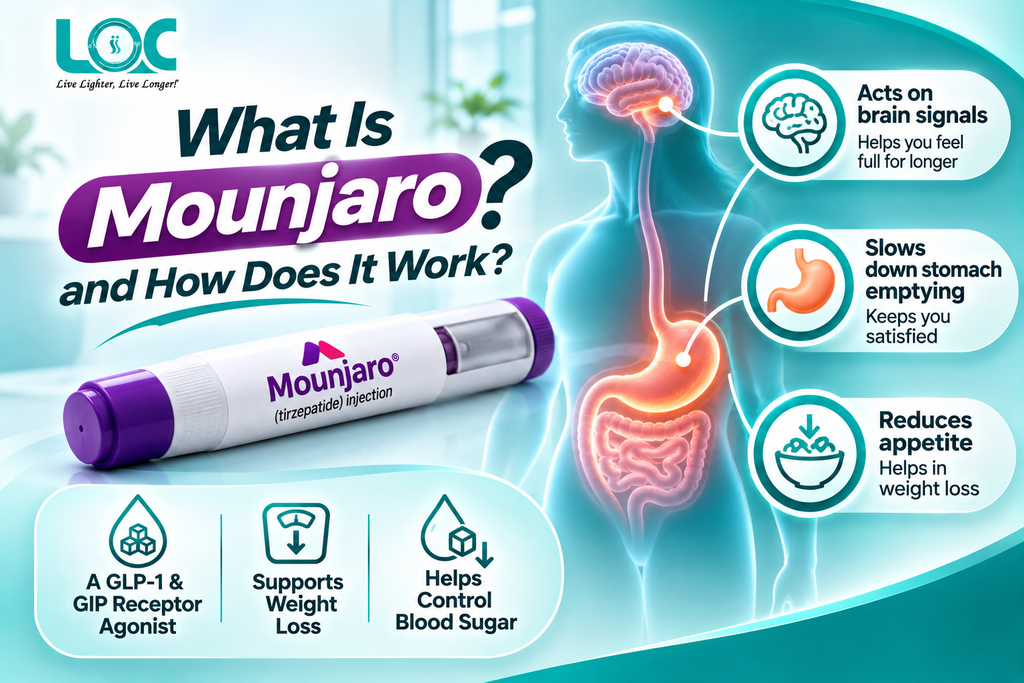
Mounjaro contains tirzepatide, a prescription medicine that acts on GIP and GLP 1 receptors. It helps regulate blood sugar and influences appetite and food intake, which can support weight loss in eligible patients.
Other injectable medicines, including certain semaglutide products, may also be used for weight management where approved. However, these medicines have different ingredients, indications and precautions.
These injections are not magic solutions. They work best as part of an appropriate, medically supervised weight management plan.
Why Is Mounjaro Not Working for You?
If you are taking Mounjaro but not losing the weight you expected, I would first want to understand your treatment history.
There can be several reasons.
You may be expecting results too soon. Weight loss takes time and varies between individuals.
Your treatment may need reassessment. The prescribed dose, duration, missed doses and tolerability all matter.
Your eating habits may be affecting progress. Portion sizes, food choices and overall calorie intake can influence weight loss.
Other medical factors may be involved. Certain health conditions or medicines may affect your weight.
You may be experiencing a weight loss plateau. Progress can slow even after an initial reduction in weight.
Your response may be different from someone else’s. Not everyone responds to medication in the same way.
Do not increase your dose on your own. If your progress remains limited, discuss your treatment with your doctor.
Bariatric Surgery vs Mounjaro: Which Is Better for Weight Loss?
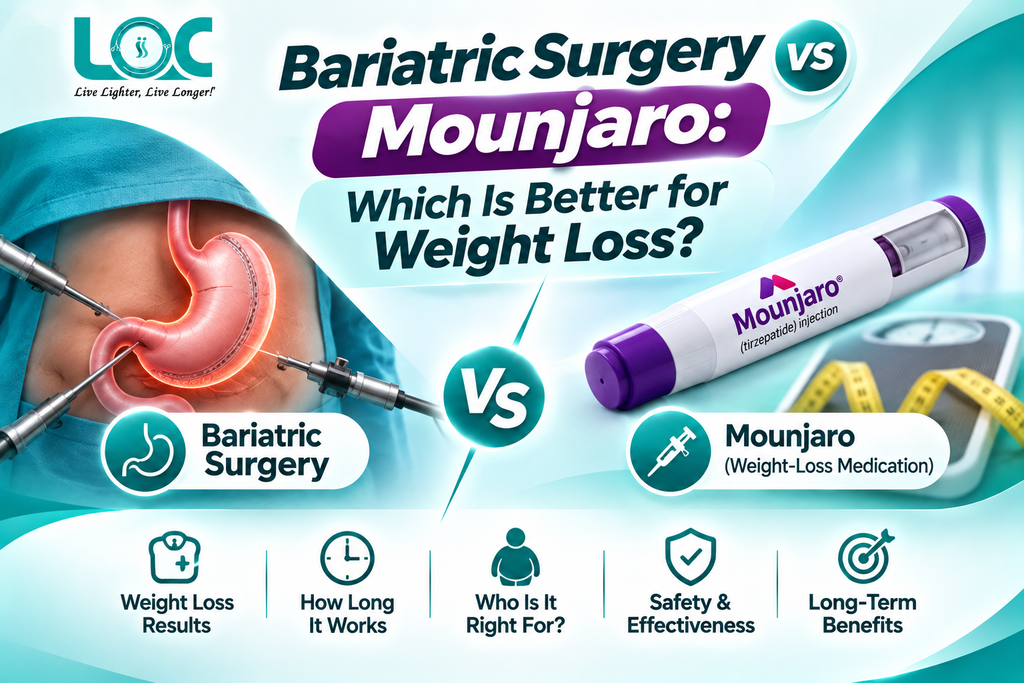
Patients often ask me which option is better. The answer depends on the individual.
Mounjaro is a medication that can help eligible patients manage their weight alongside dietary and lifestyle changes. It requires medical supervision, and its effects and tolerability vary.
Bariatric surgery involves a procedure that changes the digestive system to support weight loss and may improve certain obesity related conditions. It carries surgical risks and requires long term nutritional follow up.
Neither option is automatically better for everyone. The appropriate choice depends on BMI, associated health conditions, previous treatment results, individual eligibility and personal preferences.
As a bariatric surgeon, I encourage patients to discuss both medical and surgical options when appropriate, rather than choosing a treatment simply because it is trending.
Patients Asked Questions About Weight Loss Treatment
1. How much weight can I lose with Mounjaro?
Results vary according to the individual, treatment duration, prescribed dose and other factors. No specific amount of weight loss can be guaranteed.
2. Can I take Mounjaro if my BMI is below 30?
Possibly. Under the commonly specified adult weight management criteria, a BMI of 27 to below 30 requires at least one weight related medical condition. A doctor must assess whether treatment is appropriate.
3. Is Mounjaro better than bariatric surgery?
They are different treatments. Medication may suit some patients, while surgery may be appropriate for others who meet the relevant criteria. A specialist can help you compare the benefits and risks.
4. What happens if Mounjaro does not help me lose weight?
Your doctor should review your treatment, eating habits, medical history and progress. Depending on the findings, other medical or surgical weight management options may be discussed.
5. Will I regain weight after stopping Mounjaro?
Weight regain can occur after stopping treatment. This is why it is important to discuss long term weight management with your doctor before making changes to your medication.
My Advice to Patients
I always tell my patients that successful weight management begins with the right assessment, not with following a trend.
If Mounjaro is not working for you, do not assume that you have failed. Understand what may be affecting your progress and discuss the next steps with a qualified specialist.
The goal is not simply to lose weight. It is to choose the right treatment for your health and work towards sustainable, long-term results.
Dr. Shashank Shah
Laparoscopic & Bariatric Surgeon

Leave a Comment