

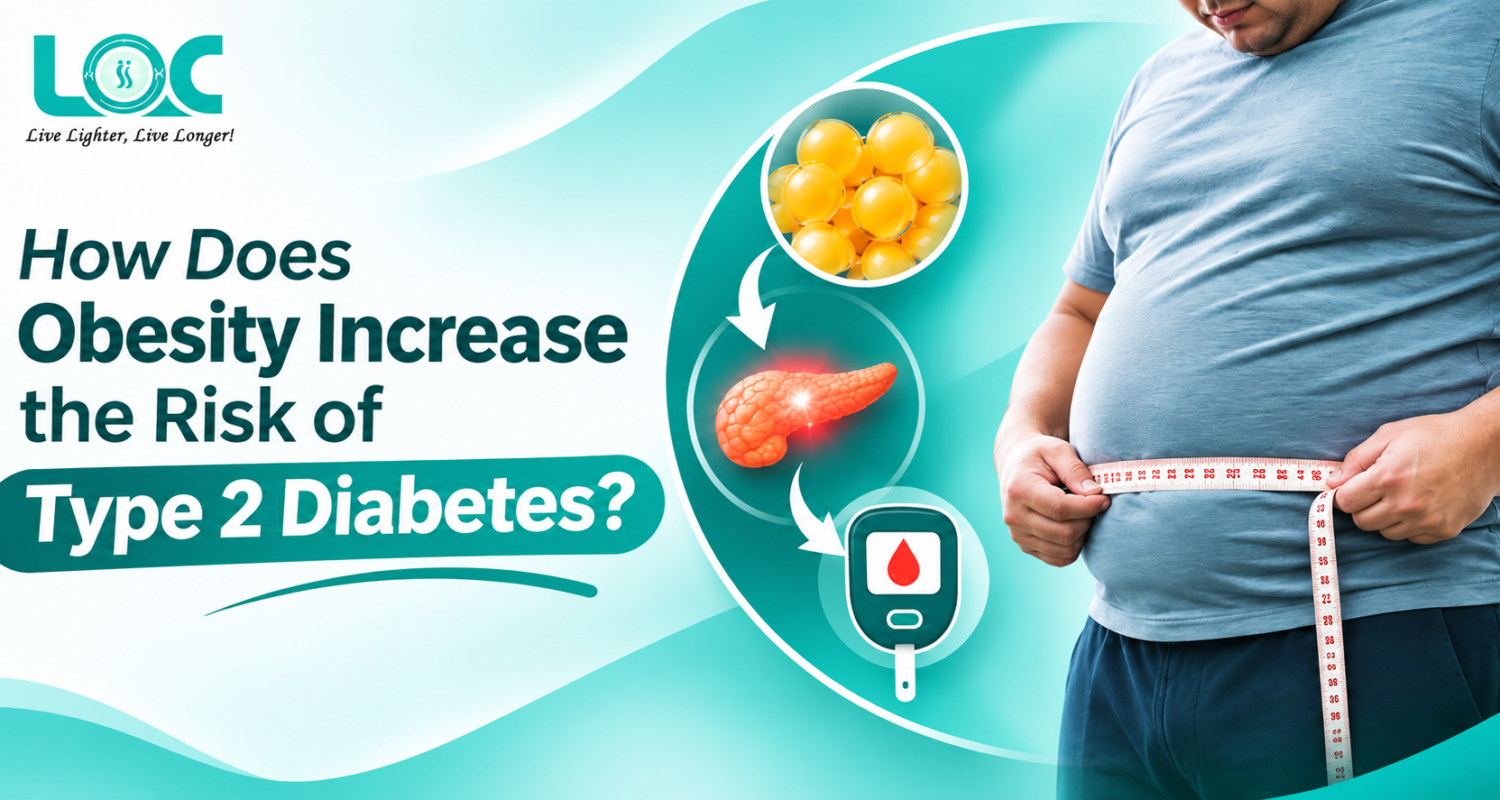
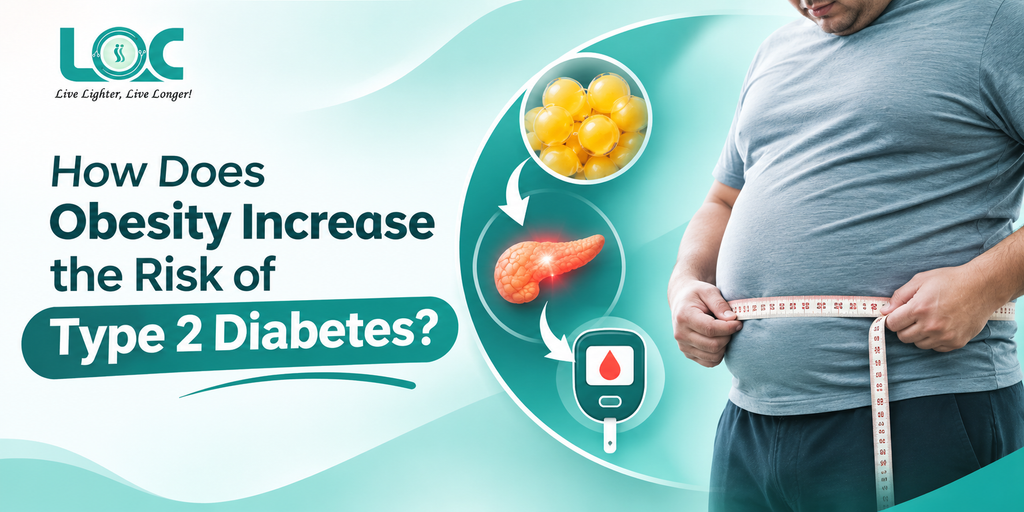
How Does Obesity Increase the Risk of Type 2 Diabetes?
Dr. Shashank Shah, Bariatric & Metabolic Surgeon
Obesity is more than just an increase in body weight. It is a complex metabolic condition that can affect how your body regulates blood sugar, responds to insulin, and maintains overall health. One of the most significant health risks associated with obesity is Type 2 Diabetes.
Many people believe that Type 2 Diabetes develops simply because of excessive sugar consumption. However, excess body fat, particularly fat accumulated around the abdomen and internal organs, plays a major role in insulin resistance and the development of diabetes.
Understanding the connection between obesity and Type 2 Diabetes is the first step towards prevention, early diagnosis, and effective treatment.
What Is Type 2 Diabetes?
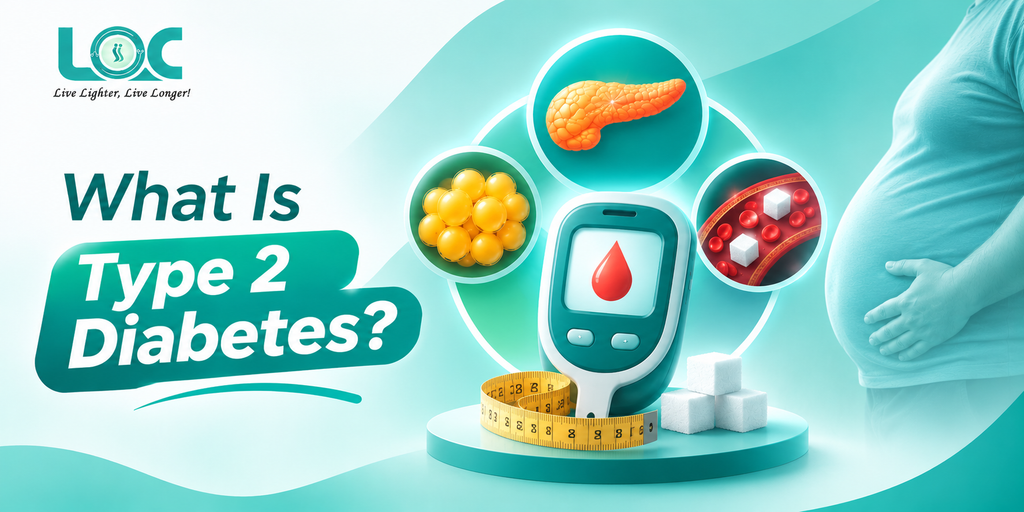
Type 2 Diabetes is a metabolic condition in which the body either does not produce enough insulin or cannot use insulin effectively. Insulin is a hormone produced by the pancreas that helps glucose (sugar) from the bloodstream enter the body’s cells to be used for energy.
When the body becomes resistant to insulin, glucose begins to accumulate in the bloodstream. Initially, the pancreas tries to compensate by producing more insulin. However, over time, the pancreas may struggle to maintain normal blood sugar levels, leading to prediabetes and eventually Type 2 Diabetes in some individuals.
How Does Obesity Increase the Risk of Type 2 Diabetes?
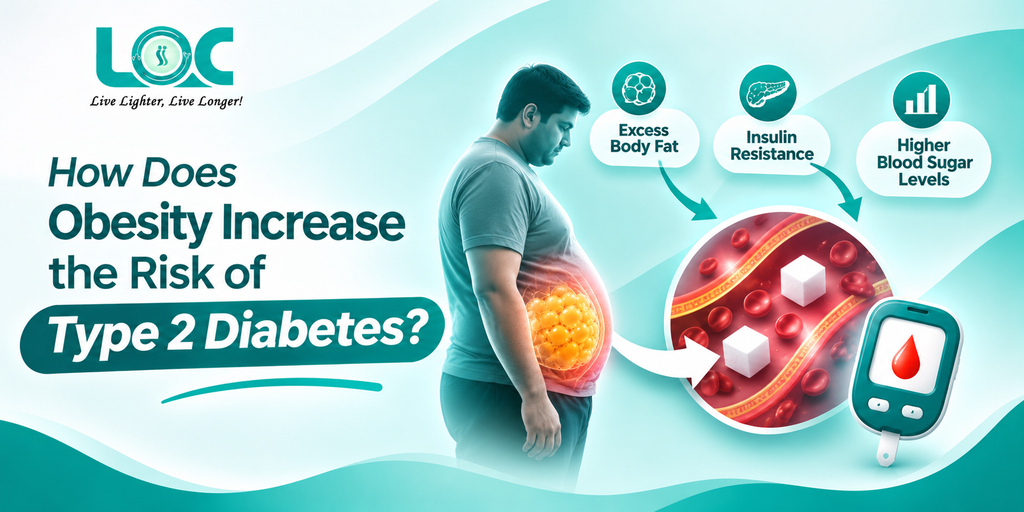
Obesity can influence the body’s metabolic processes in several ways. The relationship between obesity and diabetes is particularly associated with excess fat accumulation, insulin resistance, and changes in how the body manages glucose.
1. Excess Body Fat Can Lead to Insulin Resistance
One of the primary ways obesity increases the risk of Type 2 Diabetes is through insulin resistance.
When excess fat accumulates in the body, particularly around the abdomen and internal organs, it can affect the ability of muscle, liver, and fat cells to respond properly to insulin. As a result, glucose cannot enter cells efficiently, causing blood sugar levels to rise.
Insulin resistance is one of the key metabolic mechanisms linking obesity to Type 2 Diabetes.
2. Belly Fat and Visceral Fat Can Affect Metabolic Health
Not all body fat behaves the same way. Visceral fat, which accumulates around internal organs in the abdomen, is particularly associated with metabolic complications.
Excess visceral fat may contribute to inflammation and changes in hormonal and metabolic signalling. These changes can interfere with insulin sensitivity and increase the risk of developing Type 2 Diabetes, fatty liver disease, and other metabolic conditions.
This is why abdominal obesity can be an important risk factor, even when a person’s overall body weight may not appear extremely high.
3. The Pancreas Has to Work Harder
When the body becomes insulin-resistant, the pancreas attempts to compensate by producing more insulin to keep blood glucose levels within a normal range.
Initially, this compensatory mechanism may work. However, if insulin resistance continues for a prolonged period, the insulin-producing beta cells of the pancreas may struggle to meet the body’s demands.
When insulin production is no longer sufficient to compensate for insulin resistance, blood sugar levels can increase significantly, potentially progressing from prediabetes to Type 2 Diabetes.
4. Obesity Can Contribute to Chronic Inflammation
Excess adipose tissue is not simply a storage depot for energy. It also plays an active role in producing inflammatory signals and hormones.
In some people with obesity, chronic low-grade inflammation can interfere with insulin signalling pathways. This may further reduce the body’s sensitivity to insulin and contribute to metabolic dysfunction.
This complex interaction between excess body fat, inflammation, and insulin resistance is one of the reasons obesity is considered a major risk factor for Type 2 Diabetes.
5. Obesity Often Occurs Alongside Other Metabolic Risk Factors
Obesity may also be associated with several conditions that collectively increase metabolic and cardiovascular risk, including:
– High blood pressure
– High triglyceride levels
– Abnormal cholesterol levels
– Fatty liver disease
– Insulin resistance
– Prediabetes
– Increased abdominal circumference
When multiple metabolic risk factors occur together, they can significantly affect long-term health.
What Are the Warning Signs of Prediabetes and Type 2 Diabetes?
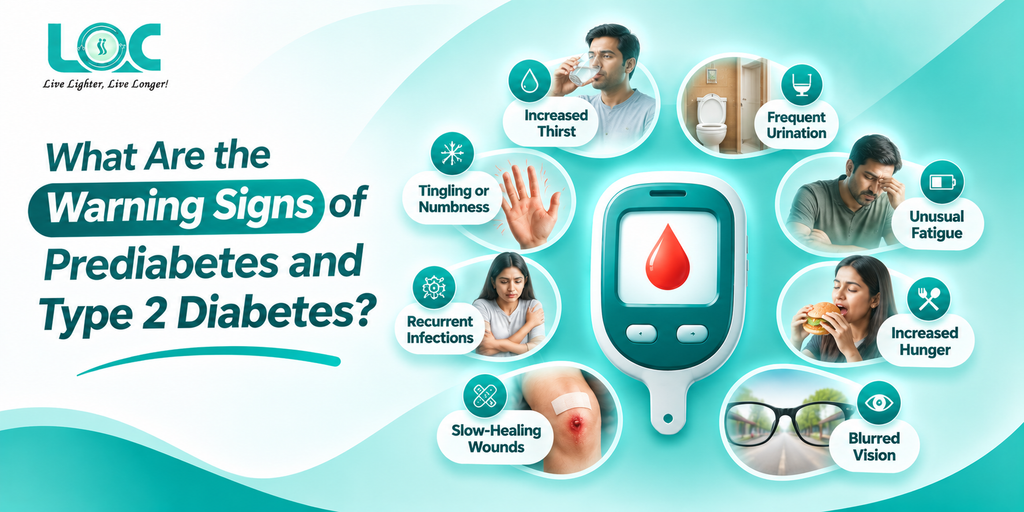
Prediabetes and early Type 2 Diabetes may not always cause noticeable symptoms. This is why screening can be important, especially for individuals with obesity or a family history of diabetes.
Some common symptoms of Type 2 Diabetes include:
- Increased thirst
- Frequent urination
- Unusual fatigue
- Increased hunger
- Blurred vision
- Slow-healing wounds
- Recurrent infections
- Tingling or numbness in the hands or feet
If you have obesity, a family history of diabetes, or other metabolic risk factors, it may be worth discussing blood sugar testing with your doctor.
How Can Weight Loss Help Reduce the Risk of Type 2 Diabetes?
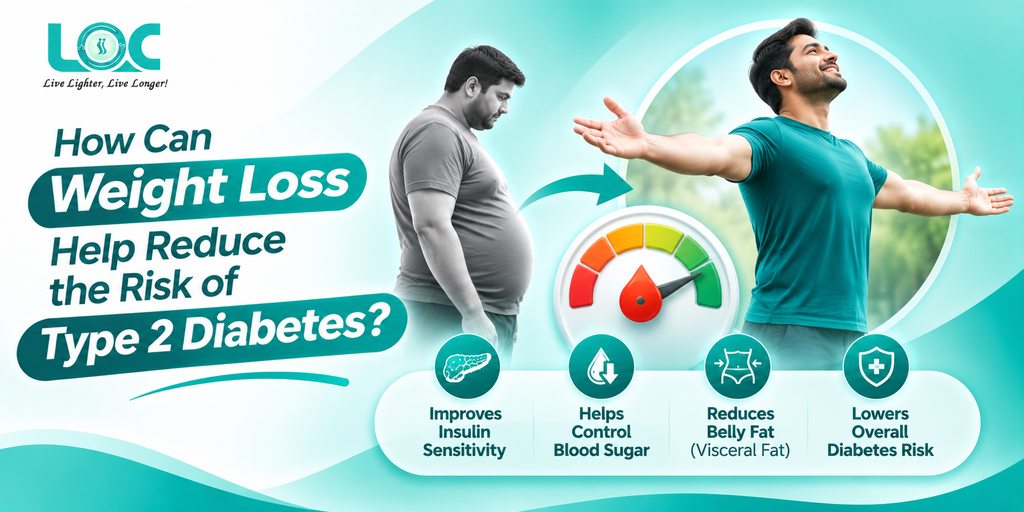
Weight management plays an important role in improving metabolic health and reducing the risk of developing Type 2 Diabetes in individuals with overweight or obesity.
Even a modest reduction in body weight can improve insulin sensitivity, help reduce abdominal fat, and improve several metabolic risk factors.
A comprehensive weight management approach may include:
Lifestyle Changes
- Balanced nutrition and portion management
- Regular physical activity
- Improved sleep habits
- Behavioural changes and consistency
- Monitoring metabolic health
Medical Weight Loss Treatment
For individuals who struggle to achieve or maintain weight loss through lifestyle changes alone, medically supervised weight loss options may be considered.
Depending on an individual’s medical history, BMI, metabolic health and treatment goals, a doctor may recommend structured weight management programmes, medications or other appropriate treatment options.
Bariatric and Metabolic Surgery
For eligible individuals with obesity and associated metabolic conditions, bariatric and metabolic surgery may be an effective treatment option.
Procedures such as Sleeve Gastrectomy and Gastric Bypass can help achieve significant weight loss and improve metabolic conditions, including Type 2 Diabetes, in appropriately selected patients.
The decision for surgery should always be based on an individual’s clinical assessment, medical history and treatment goals.
Can Type 2 Diabetes Be Reversed?
In many individuals, Type 2 Diabetes can achieve remission, particularly when addressed early and when appropriate treatment is undertaken. Among the treatment options available for individuals with obesity and Type 2 Diabetes, Metabolic and Bariatric Surgery is one of the most well-established and evidence-supported approaches for achieving long-term diabetes remission in eligible patients.
Metabolic surgery works beyond weight loss alone. It can bring about significant hormonal and metabolic changes that influence insulin sensitivity, glucose metabolism, and blood sugar regulation. In some patients, blood sugar levels may improve remarkably soon after surgery, sometimes within hours to days, with improvements that may persist for years. However, long-term remission varies from person to person and requires continued medical monitoring.
What Does Research Say About Diabetes Reversal Through Metabolic Surgery?
The benefits of metabolic surgery in the treatment of Type 2 Diabetes have been studied extensively, including through clinical research led by Dr. Shashank Shah.
The COSMID (Comparison of Surgery and Medicine for Diabetes) study, a randomised controlled clinical trial led by Dr. Shashank Shah, investigated the role of metabolic surgery in the management of Type 2 Diabetes. This research received the World’s Best Research Award for Type 2 Diabetes (2025), recognising its contribution to research in diabetes treatment.
Dr. Shashank Shah was also the first-ever surgeon to be honoured with the Vivian Fonseca Scholar Award by the American Diabetes Association in June 2016, for his research on the surgical treatment of Type 2 Diabetes.
These research contributions highlight the growing role of metabolic and bariatric surgery as an important treatment option for eligible patients with obesity and Type 2 Diabetes.
While diabetes remission may be possible after metabolic surgery, it is not guaranteed for everyone. The decision to undergo surgery should be made following a comprehensive evaluation by an experienced bariatric and metabolic surgery team.
Can Type 2 Diabetes Be Prevented if You Have Obesity?

In many cases, the risk of developing Type 2 Diabetes can be reduced or its onset delayed.
Obesity does not mean that a person will inevitably develop diabetes. Genetics, lifestyle, body fat distribution, physical activity, age and other medical factors all influence an individual’s risk.
Early identification of obesity-related metabolic changes, regular screening, sustainable weight management and timely medical intervention can help improve long-term health outcomes.
The goal should not simply be to lose weight quickly, but to improve metabolic health, reduce health risks and achieve sustainable results.
When Should You Consult a Weight Loss Specialist?

If you are struggling with excess weight, abdominal obesity, prediabetes, insulin resistance or Type 2 Diabetes, seeking medical advice early can help you understand your health risks and available treatment options.
A comprehensive evaluation can help determine whether lifestyle modification, medical weight loss treatment or bariatric and metabolic surgery may be appropriate for your individual condition.
Obesity is a medical condition, not simply a matter of willpower. Treating it early can be an important step towards better metabolic health.
Frequently Asked Questions (FAQs)
1. Does obesity always lead to Type 2 Diabetes?
No. Obesity increases the risk of developing Type 2 Diabetes, but not everyone with obesity develops diabetes. Genetics, physical activity, diet, fat distribution, and other factors also influence the risk.
2. Can losing weight help control blood sugar levels?
Yes. Weight loss in individuals with overweight or obesity can improve insulin sensitivity and blood sugar control. It may also help reduce the risk of developing Type 2 Diabetes.
3. Is belly fat more dangerous than fat in other areas of the body?
Abdominal fat, particularly visceral fat around internal organs, is strongly associated with insulin resistance and metabolic conditions, including Type 2 Diabetes.
4. Can prediabetes be reversed?
In many individuals, blood sugar levels can return to a normal range or improve substantially through lifestyle changes, weight management, and appropriate medical care. Regular monitoring remains important.
5. Is bariatric surgery helpful for people with obesity and Type 2 Diabetes?
Bariatric and metabolic surgery can significantly improve blood sugar control and may lead to diabetes remission in some eligible patients. The results vary depending on individual factors, and surgery requires medical evaluation and long-term follow-up.
About Dr. Shashank Shah
Dr. Shashank Shah is a renowned Bariatric and Metabolic Surgeon and a pioneer in bariatric and metabolic surgery in India, recognised internationally for his contributions to the surgical treatment of obesity and Type 2 Diabetes.
His notable recognitions include the World’s Best Research Award for Type 2 Diabetes (2025) and the prestigious Vivian Fonseca Scholar Award by the American Diabetes Association (June 2016), for his research on the surgical treatment of Type 2 Diabetes. He was the first-ever surgeon to receive this distinguished recognition.
With extensive experience in bariatric and metabolic surgery, Dr. Shah follows a comprehensive, evidence-based approach to obesity management, helping patients understand obesity as a medical condition and explore treatment options tailored to their health needs.
For individuals living with obesity, prediabetes or Type 2 Diabetes, timely medical evaluation and expert guidance can help identify appropriate treatment approaches, ranging from structured medical weight management to bariatric and metabolic surgery, with the goal of improving metabolic health and overall quality of life.


Leave a Comment